
Donald Trump has said he may ask European countries to release some of their diesel reserves as he mulls a ban on US exports of the fuel amid a global shortage.
The comments followed his Treasury Secretary Scott Bessent urging Europe to immediately ready and release such supplies, arguing that US “farmers, truckers, and businesses should not be left carrying the burden” as prices soar.
The US has threatened to restrict diesel exports amid surging costs due to the war in Iran. The issue is top of mind for US voters ahead of the crucial midterm elections.On Thursday, the UK held talks with European partners about the potential release of diesel reserves in response to any ban.
The US is a vital supplier of diesel to the world, exporting between 1.2 and 1.5 million barrels per day, with experts warning a ban on shipments abroad could put further pressure on prices in other countries.”We’re thinking about it very seriously,” Trump said of an export ban at the weekend.
On Thursday Trump added that he may ask European countries to release some of their diesel reserves, while Bessent said they should do so “immediately”.
“Our European partners should accelerate delivery on their existing commitments and make additional supplies immediately available to address ongoing disruptions,” Bessent said in a post on social media.
A European Commission spokesperson said today that there were “lots of calls, lots of meetings” taking place on the diesel situation, including with “high level contacts” in the US administration.
Prices of petrol and diesel globally have skyrocketed since the outbreak of the US-Israel war in Iran in February. The closure of the vital Strait of Hormuz, which typically transports around a fifth of the world’s oil and gas, has pushed up the price of products made from oil.
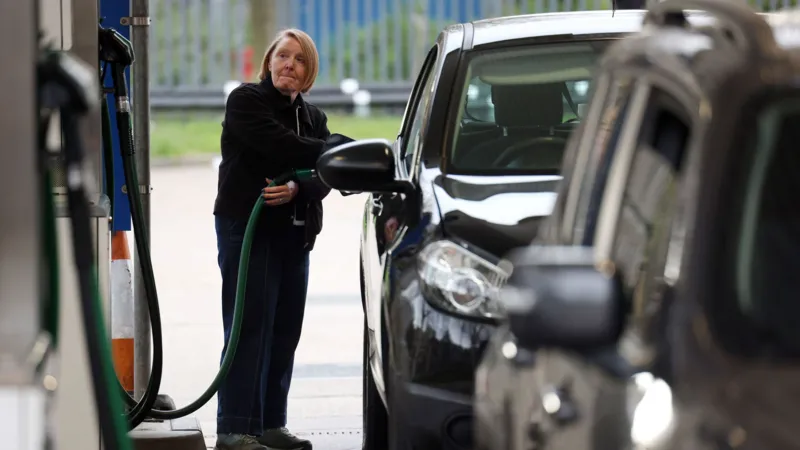
Diesel prices have hit an all-time high in the UK, with the latest RAC figures showing average pump prices at 199.79p per litre, up from 142.38p
Diesel is harder to refine than gasoline and, because it is used by the haulage industry and in agriculture, it is very difficult to reduce demand.
The UK is heavily reliant on imports. Although the four refineries in the UK make more than enough petrol to meet demand, they do not make enough diesel for the country’s needs.
There were 15.1 million diesel vehicles on UK roads at the end of June, according to the Department for Transport. That is a drop from 15.7 million a year before.
There were 9.8 million diesel cars, down year on year from 10.4 million.